Quick answer: Fully lined shoes place a second material behind most of the upper. Partial linings reinforce selected areas, while unlined designs leave much of the upper's inner surface exposed.
Full, partial and unlined construction
Fully lined shoes place a second material behind most of the upper. Partial linings reinforce selected areas, while unlined designs leave much of the upper's inner surface exposed.
Unlined does not mean unfinished. Good unlined shoes smooth or bind critical seams and use leather appropriate for direct contact, whereas rough joins can cause friction.
Moisture and friction differences
A smooth leather lining can reduce rubbing and absorb some moisture, while textiles vary widely in weave and drying behavior. Synthetic linings may feel slick but can retain heat for some wearers.
Socks remain the primary washable barrier. Rotate shoes and allow complete drying because no lining material can manage repeated moisture without rest.
Break-in and shape retention
Lined uppers often feel more structured and resist stretching because two layers share the load. Unlined leather can flex and conform sooner but may lose shape more readily.
Break-in should involve gradual flexing, not sharp pressure. A lining will not transform a last that is too narrow or shallow.
Warm-weather tradeoffs
Unlined or partially lined shoes remove material and can feel lighter in heat. Suede loafers and flexible Derbies often use this approach for relaxed summer wear.
A thin construction may show foot shape and creasing more clearly. For formal settings, some wearers prefer the cleaner structure of a full lining despite added warmth.
How lining affects sock choice
Rougher interiors and exposed seams call for socks with enough coverage to limit friction. Smooth linings permit thinner dress socks if fit remains secure.
Changing sock thickness changes internal volume. Test the shoe with the sock intended for the event instead of assuming one fit result applies year-round.
Listing-language inspection checklist
Look for separate descriptions of vamp lining, heel lining and footbed. “Leather lined” may refer only to one area, while a textile vamp and leather heel can still be accurate.
Inspect interior photos for exposed seams, labels and removable inserts. If lining material matters strongly, ask the manufacturer rather than inferring it from exterior price or finish.
CURRENT AMAZON OPTIONS
Use these as relevant comparison points.
As an Amazon Associate, we earn from qualifying purchases. Amazon links open the exact listing so you can confirm current size, color, price, and availability.

Bruno Marc · Dark Brown
Bruno Marc Urban Suede Oxford
Soft texture lowers the formality while the lace-up shape keeps the outfit intentional.

Cole Haan · Burgundy
Cole Haan Pinch Tassel Loafer
A heritage tassel shape that brings personality to navy, gray, and cream trousers.
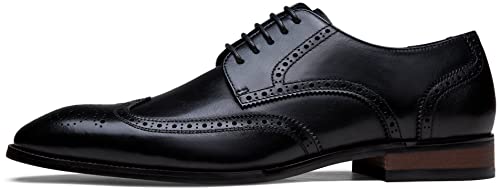
Jousen · Brown
Jousen Men's Full-Grain Leather Wingtip Oxford
Leather wingtip with brogue perforations, leather lining, and blind-eyelet lacing.
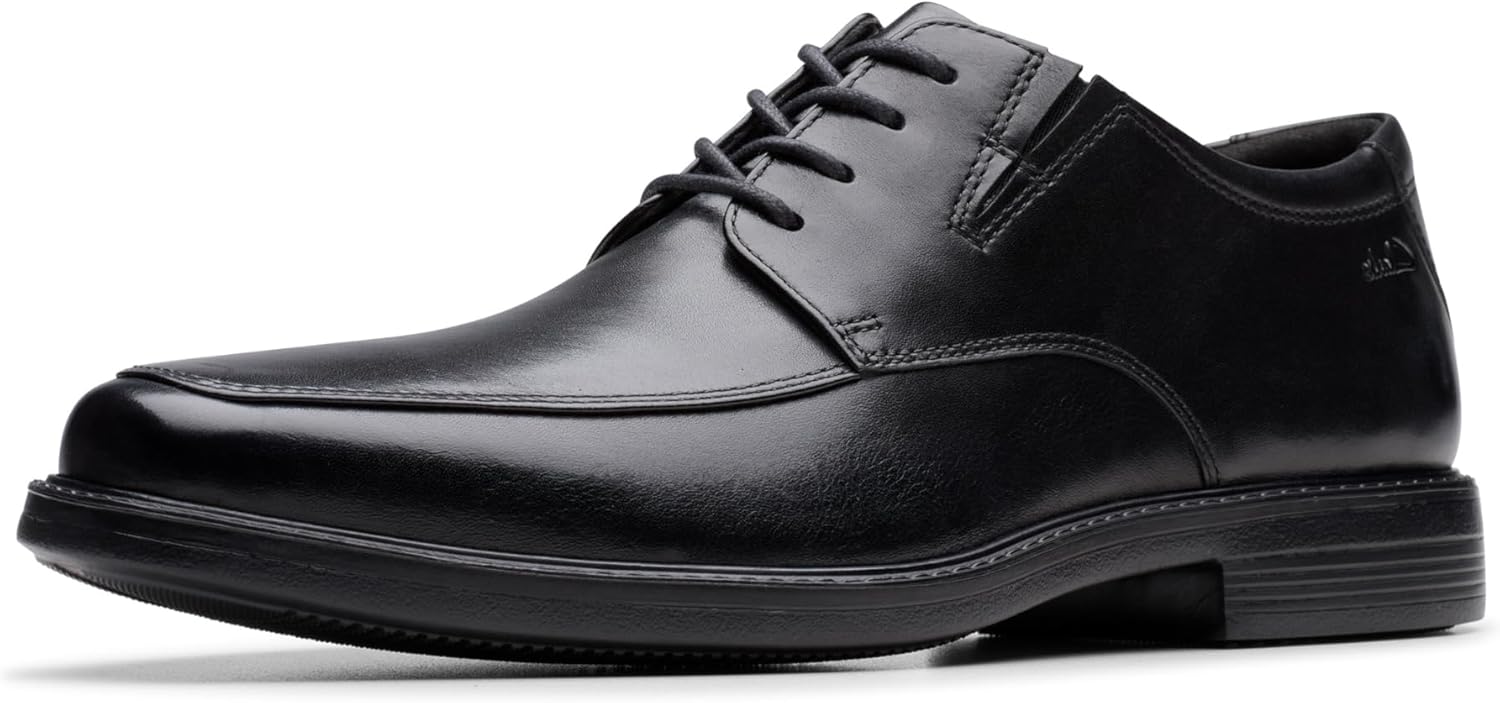
Clarks · Black leather
Clarks Cosgrove Apron Oxford
Amazon describes a premium leather upper, softly squared toe and lightweight impact-absorbing EVA sole.
QUICK ANSWERS
Questions shoppers ask next.
Are leather-lined shoes more breathable?
Not automatically. Leather can absorb moisture and feel comfortable, but thickness, finish, sock choice and shoe rotation also affect heat. Breathability claims should be model-specific.
Do unlined dress shoes stretch more?
They often conform more because there is no second layer resisting movement. The sole and reinforced areas still limit expansion, so unlined is not a substitute for correct width.
Are textile linings less durable?
Some are and some are not. Fiber type, weave, seam placement, abrasion and fit determine wear. A loose heel can destroy any lining quickly.
What lining is best for summer dress shoes?
A smooth, lightweight partial lining or well-finished unlined upper can reduce bulk. Choose based on comfort, seam quality and dress code rather than material name alone.