Quick answer: Heel pain can come from friction, an unstable rearfoot, pressure beneath the heel, tendon irritation, nerve involvement, injury, or other conditions. Different causes require different responses, so a soft insert is not a universal solution. Note whether pain occurs at the back, bottom, sides, or only after a particular duration.
Why heel pain has more than one cause
Heel pain can come from friction, an unstable rearfoot, pressure beneath the heel, tendon irritation, nerve involvement, injury, or other conditions. Different causes require different responses, so a soft insert is not a universal solution. Note whether pain occurs at the back, bottom, sides, or only after a particular duration.
Footwear can remove obvious triggers but cannot diagnose persistent symptoms. Sudden severe pain, swelling, inability to bear weight, numbness, skin changes, or pain that continues despite shoe changes warrants clinical assessment. Bring the shoes most often worn so a professional can examine the wear pattern and fit.
Heel counter security and friction
A secure counter keeps the heel centered without cutting into the Achilles area or ankle bones. Excess vertical movement creates rubbing, while an overly curved or rigid edge can press directly on sensitive tissue. Test stairs and uphill motion indoors because they expose counter contact more clearly than level standing.
Heel grips can reduce a small gap, but they also shorten internal length and may create a new edge. If the counter shape itself conflicts with the heel, a different last is more reliable. Do not tighten laces so aggressively that the foot is pulled unnaturally backward.
Cushioning versus stability
Cushioning can reduce impact, particularly on concrete and tile, but an extremely soft heel may collapse unevenly and increase instability. The platform should feel level and controlled during weight shifts. A firm perimeter with moderate central cushioning often behaves differently from a deep pillow-like insert.
Assess the entire sole rather than pressing one foam pad with a thumb. Heel height, midfoot support, outsole stiffness, and foot placement all influence load. If a clinician has recommended a particular device or geometry, follow that direction instead of improvising with stacked cushions.
Heel-to-toe geometry and flex point
A raised heel changes the load through the foot and may relieve one structure while aggravating another. A very flat sole is not automatically healthier, and a higher dress heel is not automatically harmful. The appropriate geometry depends on the symptom and individual movement pattern.
The shoe should flex near the ball without collapsing through the arch. A flex point that sits too far forward or back can change stride and encourage sliding. Compare models while walking at normal speed, not merely standing on the insole.
Removable insoles and orthotic depth
A removable footbed allows a prescribed or preferred insert to replace the original without excessive stacking. The shoe must have enough depth to keep the heel inside the counter after the new device is installed. Confirm the feature on the selected size and color rather than assuming all variations match.
Recheck instep pressure, toe clearance, and heel hold with the final arrangement. An orthotic that rocks, curls, or lifts the heel can create more friction. Custom devices should not be trimmed or altered without guidance from the provider.
When footwear advice should stop and clinical care begin
Stop self-testing when pain is severe, worsening, associated with injury, or accompanied by swelling, redness, weakness, numbness, or broken skin. Diabetes, circulation problems, and reduced sensation lower the threshold for professional care. Continuing to break in a painful shoe can obscure or aggravate the underlying issue.
A podiatrist, physician, or qualified physical therapist can evaluate the cause and advise on footwear, load, and treatment. Shopping guidance remains useful for eliminating obvious rubbing and poor fit, but it should support rather than replace that assessment. Keep notes on timing, surface, shoe, and exact pain location.
CURRENT AMAZON OPTIONS
Use these as relevant comparison points.
As an Amazon Associate, we earn from qualifying purchases. Amazon links open the exact listing so you can confirm current size, color, price, and availability.

Rockport · Black
Rockport Margin Oxford
A practical plain-toe option for shoppers who prioritize familiar fit and subdued styling.
ECCO · Black
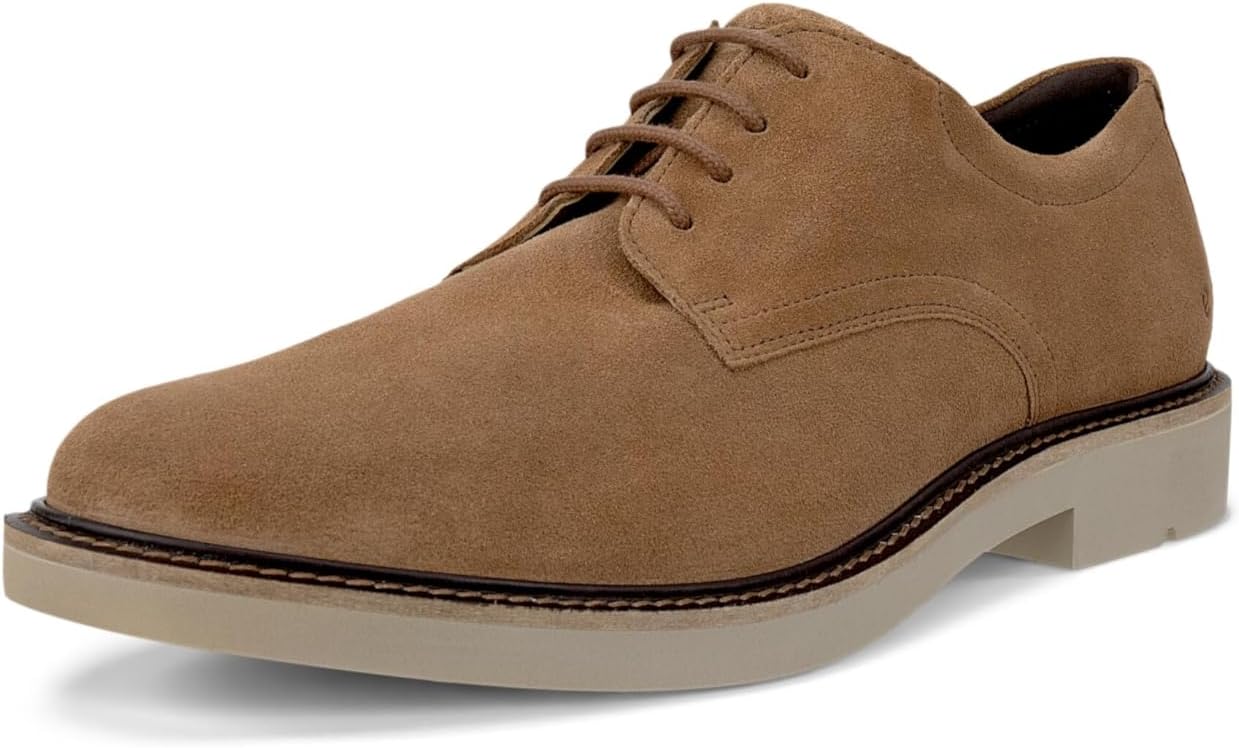
ECCO London Plain-Toe Derby
A round-toe derby profile with a removable dual-fit insole on the Amazon listing.

Bruno Marc · Black
Bruno Marc KnitFlex Breeze
A breathable hybrid that reads polished without pretending to be a formal Oxford.
Bruno Marc · Black
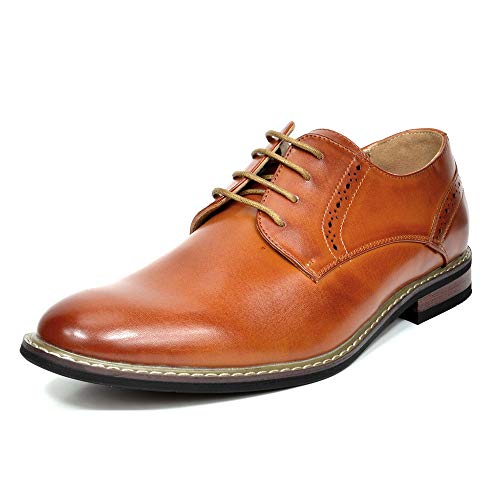
Bruno Marc Men's Classic Comfort Oxford Shoes
Plain-toe lace-up with a soft lining and lightly padded latex footbed.
QUICK ANSWERS
Questions shoppers ask next.
Can dress shoes cause heel pain?
They can contribute through poor heel-counter shape, sliding, unstable cushioning, unsuitable heel geometry, or a mismatched flex point. Persistent pain may have another cause and should not be diagnosed from footwear alone.
Is a soft heel better for heel pain?
Not always. Moderate cushioning may reduce impact, but excessive softness can collapse and reduce stability. The correct choice depends on pain location, gait, floor, and any clinical recommendation.
Do removable insoles help with heel pain?
They provide flexibility to install a different insert or prescribed orthotic, but the replacement must fit the shoe's depth and keep the heel securely contained. Removability alone does not treat the cause.
Should painful dress shoes be broken in?
No shoe causing sharp, persistent, or worsening heel pain should be forced through break-in. Stop wearing it, reassess fit, and seek clinical care when symptoms are significant or continue.