Quick answer: A low instep leaves unused space over the top of the foot even when length and forefoot width are correct. Lacing facings may close completely while the foot still moves, and the upper can form deep horizontal wrinkles. The wearer may tighten laces repeatedly without achieving a secure midfoot hold.
Low-instep symptoms and facing closure
A low instep leaves unused space over the top of the foot even when length and forefoot width are correct. Lacing facings may close completely while the foot still moves, and the upper can form deep horizontal wrinkles. The wearer may tighten laces repeatedly without achieving a secure midfoot hold.
Check fit late in the day with normal dress socks. If the ball aligns correctly but the shoe feels hollow above the foot, changing length is unlikely to solve the problem. A lower-volume last or targeted adjustment is more appropriate.
Why heel slip can begin at the instep
The instep helps prevent the foot from moving forward. When the upper does not contact it, the foot slides toward the toe and the heel rises out of the counter. The heel itself may be the right width, which is why heel grips alone sometimes fail.
Observe motion while walking and mark where the shoe loses contact. Improving instep hold can draw the heel back into position, but the correction should not create top-of-foot pressure. A last shaped for low volume distributes contact more evenly than a single aggressive pad.
Oxford versus Derby volume control
An Oxford's closed facings can secure a lower instep when the last begins near the correct volume. There should still be a small functional gap for adjustment. If the facings overlap or bottom out before the foot is held, the shoe remains too deep.
Derbies open widely and suit high insteps, but selected low-volume lasts can still work for narrow or low-instep feet. Their visible lacing gap offers clear feedback. Compare actual fit rather than treating closure type as a guarantee.
Loafer vamp and tongue-pad strategy
A high-vamp loafer covers more instep area and generally holds low-volume feet better than a low-cut style. Because no laces are available, the heel and waist must also fit closely. A loose loafer tends to loosen further as the upper relaxes.
A thin tongue pad placed inside the vamp can fill a small amount of space and improve heel seating. Begin with the least thickness and test for pressure along the pad edge. A loafer requiring multiple thick pads is better replaced by a shallower last.
Insole thickness without heel crowding
A modest full-length insole can reduce internal volume, but it raises the entire foot. That may improve instep contact while pushing the heel above the counter or reducing toe height. Test every dimension again after the insert is installed.
Three-quarter inserts leave more forefoot room but can create an edge beneath the ball if poorly shaped. Do not stack several insoles. The safest adjustment is the thinnest one that improves hold without changing flex alignment or creating new rubbing.
When a different last is the only solution
If the laces close completely, the heel still lifts, and added volume reducers crowd other areas, the last is too deep for the foot. Sizing down will move the flex point and compress the toes without necessarily lowering the instep enough. A different model is the cleaner answer.
Search for narrow widths, tapered heels, shaped waists, and lower-volume lasts, then test in person when possible. Returning an attractive shoe is preferable to building a stack of pads that shifts and wears unevenly. Correct shape should do most of the holding.
CURRENT AMAZON OPTIONS
Use these as relevant comparison points.
As an Amazon Associate, we earn from qualifying purchases. Amazon links open the exact listing so you can confirm current size, color, price, and availability.

Clarks · Dark tan leather
Clarks Tilden Cap Oxford
A classic cap-toe lace-up offered by Amazon in regular and wide sizing.

Stacy Adams · Black
Stacy Adams Dickinson Cap-Toe Oxford
A traditional cap-toe Oxford with a clean, formal profile and practical budget positioning.

Cole Haan · Burgundy
Cole Haan Pinch Tassel Loafer
A heritage tassel shape that brings personality to navy, gray, and cream trousers.
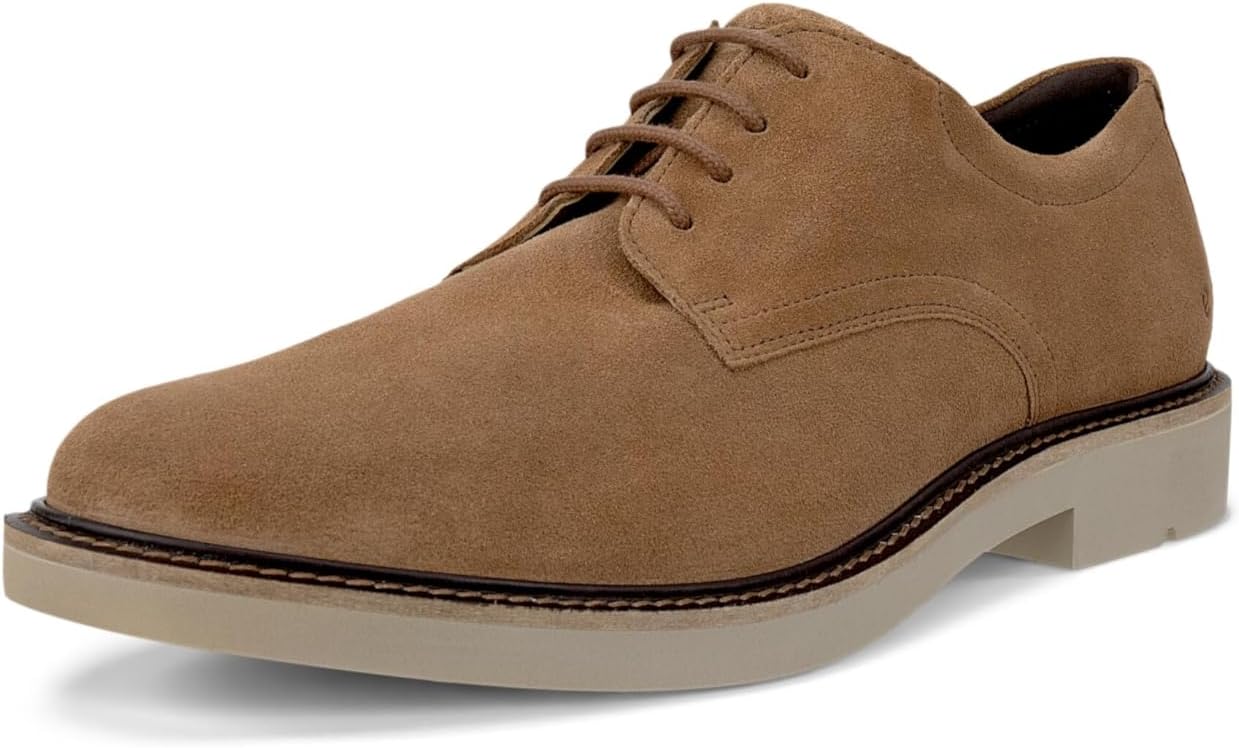
ECCO · Black
ECCO London Plain-Toe Derby
A round-toe derby profile with a removable dual-fit insole on the Amazon listing.
QUICK ANSWERS
Questions shoppers ask next.
What does a low instep feel like in dress shoes?
The upper feels hollow over the foot, laces may close completely, and the foot often slides forward despite correct length. Deep wrinkling and heel lift can result from the missing instep contact.
Are Oxfords better for low insteps?
They often provide more closure over the instep, but only when the last is already close to the correct volume. Facings that touch while the foot remains loose indicate a deeper shape mismatch.
Do tongue pads help low-volume feet?
A thin tongue pad can correct minor excess space and improve heel seating. It should not create a hard pressure edge or be used to rescue a shoe that is substantially too deep.
Can thicker socks fix a low-instep fit?
Slightly thicker socks may reduce minor looseness, but they add volume around the whole foot and may create heat or toe crowding. A lower-volume last is more reliable for a pronounced mismatch.