Quick answer: Patent leather is leather covered with a glossy coating, while many formal shoes use a similarly shiny synthetic upper. Care instructions can differ even when the surfaces look alike.
Confirm patent versus coated synthetic finish
Patent leather is leather covered with a glossy coating, while many formal shoes use a similarly shiny synthetic upper. Care instructions can differ even when the surfaces look alike.
Check the selected listing, box label and manufacturer guidance before applying anything. When the material remains uncertain, use the gentlest cleaning method and test an inconspicuous spot.
Remove surface dirt first
Wipe dust with a soft dry cloth, then use a barely damp cloth for surface grime. Grit left on the coating can create new scratches when rubbed.
Dry immediately with a separate cloth and inspect the mark. Some apparent scuffs are transferred material sitting on top of the gloss rather than damage through the coating.
Low-risk treatment progression
Begin with gentle wiping and light pressure. If manufacturer guidance permits, use a tiny amount of patent-specific cleaner on a cloth rather than applying it directly to the shoe.
Work only the marked area, stop if color transfers or gloss changes, and buff with a clean soft cloth. Repeated hard rubbing can turn a small scuff into a cloudy patch.
What to avoid on glossy coatings
Avoid abrasive pads, stiff brushes, acetone, alcohol and ordinary wax buildup unless the maker explicitly approves them. Strong solvents can dissolve or haze the glossy surface.
Heat is equally risky because coatings can soften, wrinkle or separate. Do not use a hair dryer to speed treatment or storage drying.
Hiding versus repairing deep damage
A surface transfer may clean away, but a cut through the coating cannot be restored by polishing. Color-matched cosmetic products may reduce contrast without rebuilding the original finish.
For valuable formal shoes, a cobbler can assess whether refinishing is practical. Set expectations carefully: deep patent damage often remains visible under direct evening light.
Black-tie emergency kit
Carry a microfiber cloth and keep the shoes in separate soft bags during travel. A quick dry wipe before the event removes fingerprints and dust without creating product streaks.
Pack no untested liquid remedy. If a mark appears shortly before the event, clean gently and accept a faint scuff rather than risking a large dull patch.
CURRENT AMAZON OPTIONS
Use these as relevant comparison points.
As an Amazon Associate, we earn from qualifying purchases. Amazon links open the exact listing so you can confirm current size, color, price, and availability.

Jousen · Black
Jousen Patent Tuxedo Oxford
A high-shine lace-up reserved for tuxedos and deliberately formal evening dress.
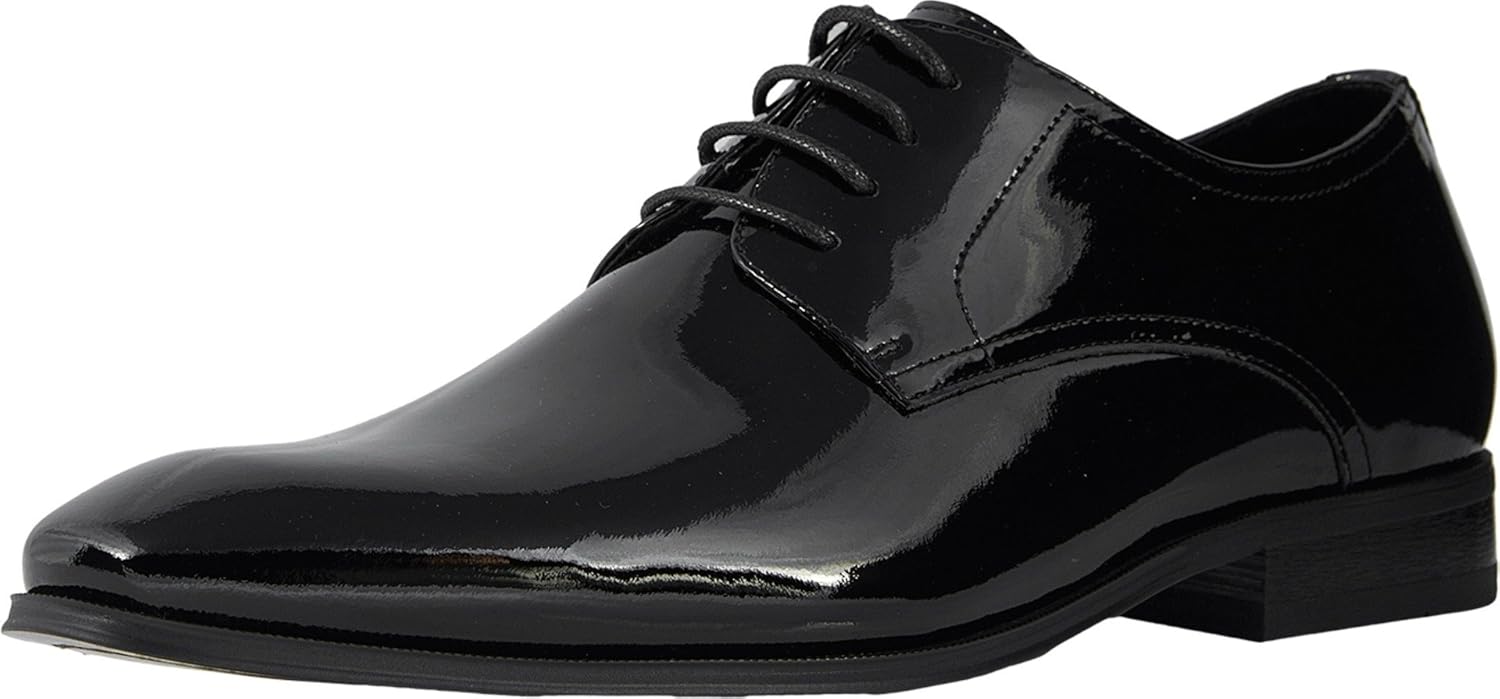
Florsheim · Black
Florsheim Tux Plain-Toe Oxford
A streamlined patent-leather Oxford with a plain toe and a cushioned footbed for special occasions.

Jousen · Black
Jousen Men's Patent Tuxedo Oxford Shoes
High-shine lace-up designed for tuxedo and formal-event outfits.
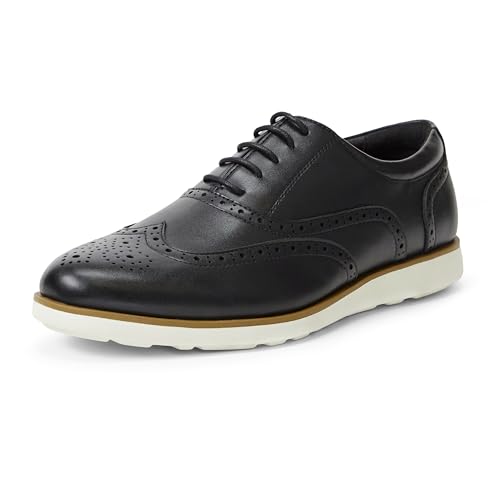
Amazon Essentials · Black
Amazon Essentials Men's Wingtip Derby Dress Sneakers
Hybrid wingtip derby that pairs dress-shoe detailing with a sneaker-style sole.
QUICK ANSWERS
Questions shoppers ask next.
Can patent-leather scuffs be removed?
Transferred material and light surface marks can often be reduced with gentle cleaning. Cuts or scratches through the glossy coating are damage rather than dirt and may only be disguised, not fully removed.
Can petroleum jelly be used on patent shoes?
Some informal care advice recommends it, but formulations and coatings vary. A patent-specific product approved by the manufacturer is safer; always test any treatment in a hidden area first.
Should patent leather be polished?
It generally needs cleaning and a coating-safe shine product rather than ordinary wax polish. Traditional wax can smear or build unevenly on the nonporous glossy surface.
How do you store patent shoes without sticking?
Clean and dry them, separate each shoe in a soft breathable bag, and keep them away from heat and direct sunlight. Do not let glossy surfaces press against each other or against plastic for long periods.