Quick answer: The groom's shoes should match the wedding's dress code first, the suit or tuxedo second, and the venue conditions third. A black plain-toe or cap-toe Oxford is the safe formal choice; dark brown often suits navy and medium-blue tailoring; a refined loafer or suede Derby can fit a relaxed warm-weather ceremony. The pair must also remain comfortable through photographs, greetings, and dancing.
The direct answer for What Dress Shoes Should a Groom Wear
The groom's shoes should match the wedding's dress code first, the suit or tuxedo second, and the venue conditions third. A black plain-toe or cap-toe Oxford is the safe formal choice; dark brown often suits navy and medium-blue tailoring; a refined loafer or suede Derby can fit a relaxed warm-weather ceremony. The pair must also remain comfortable through photographs, greetings, and dancing.
The shoe does not need to be the most expensive item in the outfit, but it should look intentional and well maintained. A balanced toe, clean sole edge, and controlled amount of ornament photograph better than novelty details. If one pair must cover both ceremony and reception, favor secure fit and moderate flexibility over a dramatic style that becomes painful after an hour.
How dress code changes the decision
Black tie calls for black patent leather or a highly polished black calfskin Oxford with minimal decoration. Formal and cocktail weddings usually allow black or dark-brown leather lace-ups, depending on the suit color and time of day. Semi-formal and dressy-casual events open the door to loafers, brogues, suede, and lighter browns.
Invitation language can be inconsistent, so examine the venue, start time, and wedding-party attire. A tuxedo supplied by the couple settles the question more clearly than a vague phrase such as elegant attire. When the dress code remains uncertain, a simple dark leather shoe is easier to elevate than a casual shoe is to disguise.
How suit color changes the decision
Black shoes are the cleanest partner for black and charcoal tailoring and a dependable option with dark navy. Dark brown or oxblood complements navy and blue suits while creating slightly less contrast. Tan and cognac work best with lighter blue, beige, or textured daytime suits rather than severe evening tailoring.
The belt, watch strap, and other visible leather should belong to the same color family, but they do not need identical shades. Evaluate everything under natural light before the wedding because warm indoor lighting can hide clashing undertones. The shoe should anchor the trousers rather than appearing as an isolated bright object.
How venue changes the decision
Ballrooms and houses of worship favor smoother, more traditional soles and uppers. Gardens, vineyards, beaches, and historic stone venues require more attention to traction and ground softness. A slim rubber sole or discreet sole protector can preserve a formal appearance while improving stability outdoors.
Suede and pale leather show water and grass marks more readily, while sharp heels can sink into soft soil. Ask whether the ceremony and photographs involve long outdoor walks. Bringing a second reception pair can be sensible, but it should still coordinate with the trousers and not look like gym footwear in formal photographs.
How photos changes the decision
Wedding photographs preserve proportions and surface condition more clearly than most guests will notice in person. Excessively long toes, bright soles, and visible sock gaps can distract in seated or detail shots. Try the complete outfit and view it from the side as well as the front.
Fresh polish should look even, not wet or heavily caked. Photograph the shoes under flash before the day to reveal dust, scuffs, and patent glare. If the photographer plans flat-lay detail images, clean the outsole edge and replace worn laces because those small defects become deliberate subjects.
How and dance-floor comfort changes the decision
A wedding shoe needs enough toe room for late-day swelling and enough heel control for turns and backward steps. Cushioning can help on hard floors, but only when length, width, and flex point are correct. A loose loafer or rigid sole may feel acceptable while standing and then become unstable during dancing.
Practice several dances on a clean indoor surface with the intended socks. If the sole is dangerously slick, consult a cobbler or choose a grippier pair rather than scuffing an unreturnable shoe at random. A planned change into a second pair should happen after formal photographs, and the backup should be tested just as carefully.
Common mistakes to avoid with What Dress Shoes Should a Groom Wear
Buying after trouser alterations is a common error because heel height and toe shape affect the finished break. Another is choosing solely by color while ignoring dress code, outsole, and the hours the groom will be upright. A technically matching shoe can still be wrong for the ceremony.
Do not assume severe discomfort is normal for a formal shoe. Purchase early enough to exchange sizes and use short indoor wears to test pressure points. Also confirm the exact selected Amazon variation, since material, width, and sole color may change within the same product family.
CURRENT AMAZON OPTIONS
Use these as relevant comparison points.
As an Amazon Associate, we earn from qualifying purchases. Amazon links open the exact listing so you can confirm current size, color, price, and availability.
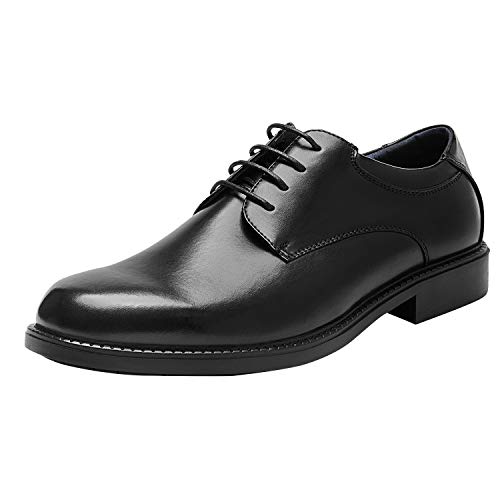
Bruno Marc · Black
Bruno Marc Men's Business Derby Lace-Up Shoes
Classic open-lacing derby with a cushioned latex insole and TPR outsole.

Florsheim · Black
Florsheim Rucci Cap-Toe Oxford
A smooth-leather cap-toe Oxford with Suedetec lining, a removable molded EVA footbed, and a rubber outsole.
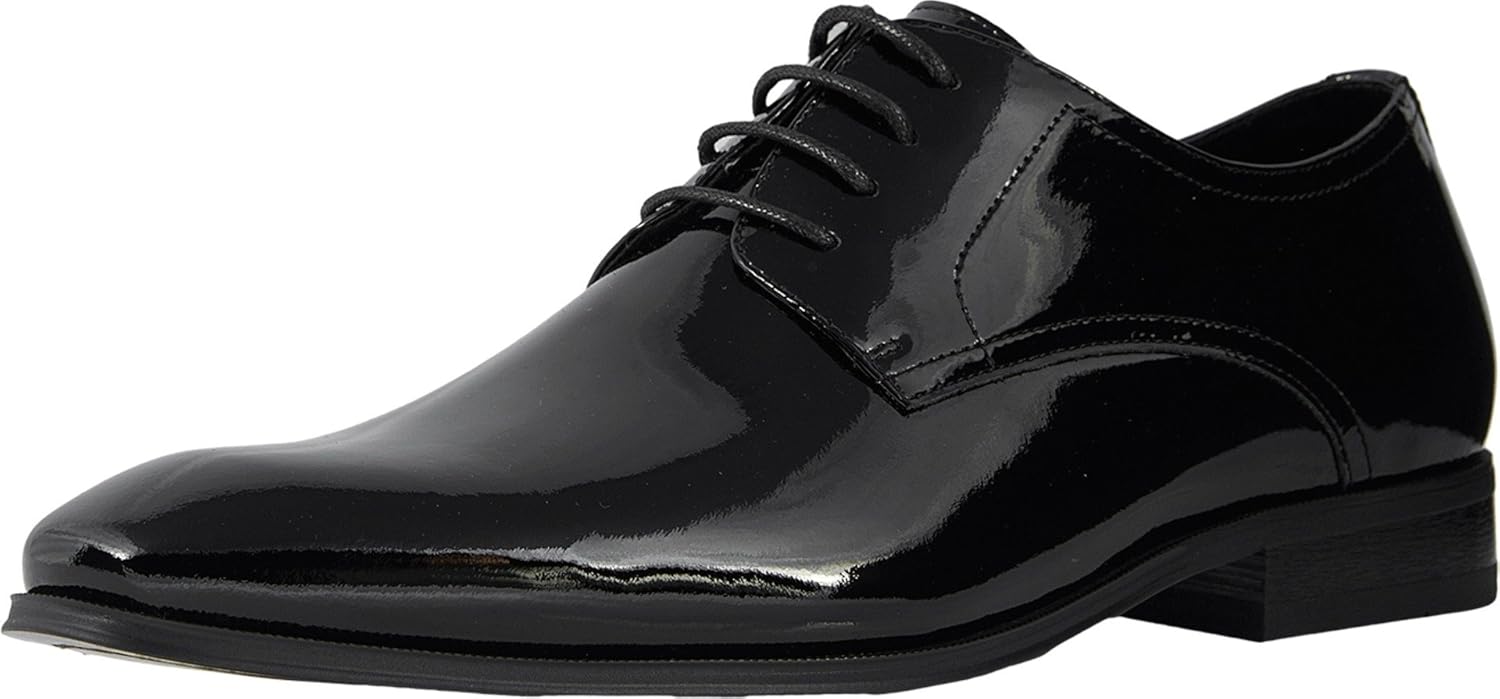
Florsheim · Black
Florsheim Tux Plain-Toe Oxford
A streamlined patent-leather Oxford with a plain toe and a cushioned footbed for special occasions.

Jousen · Black
Jousen Patent Tuxedo Oxford
A high-shine lace-up reserved for tuxedos and deliberately formal evening dress.
QUICK ANSWERS
Questions shoppers ask next.
What is the first thing to check for what dress shoes should a groom wear?
Start with the dress code and the exact suit or tuxedo color. Those two facts narrow the appropriate formality and color before comfort, venue traction, and personal style refine the choice.
Which common mistake changes the What Dress Shoes Should a Groom Wear decision most often?
Waiting until after alterations or close to the wedding causes the most avoidable problems. The groom loses time to test sizing, correct the trouser break, and exchange a pair that rubs or slips.
How can you confirm dress code for “What Dress Shoes Should a Groom Wear” before the return window closes?
Review the invitation, venue, start time, and the wedding party's confirmed clothing, then ask the planner or partner if anything conflicts. Test the shoes with the complete outfit indoors while returns are still available.
What nearby wedding choice should you compare while deciding “What Dress Shoes Should a Groom Wear”?
Compare a formal lace-up with a refined loafer or comfort-led Derby in the same color family. The comparison reveals whether the ceremony demands maximum formality or whether venue and all-day wear justify a more flexible option.